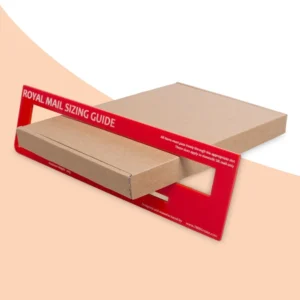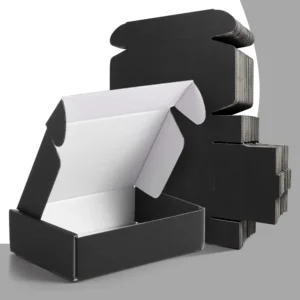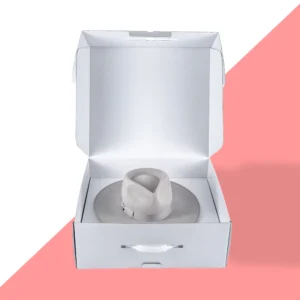
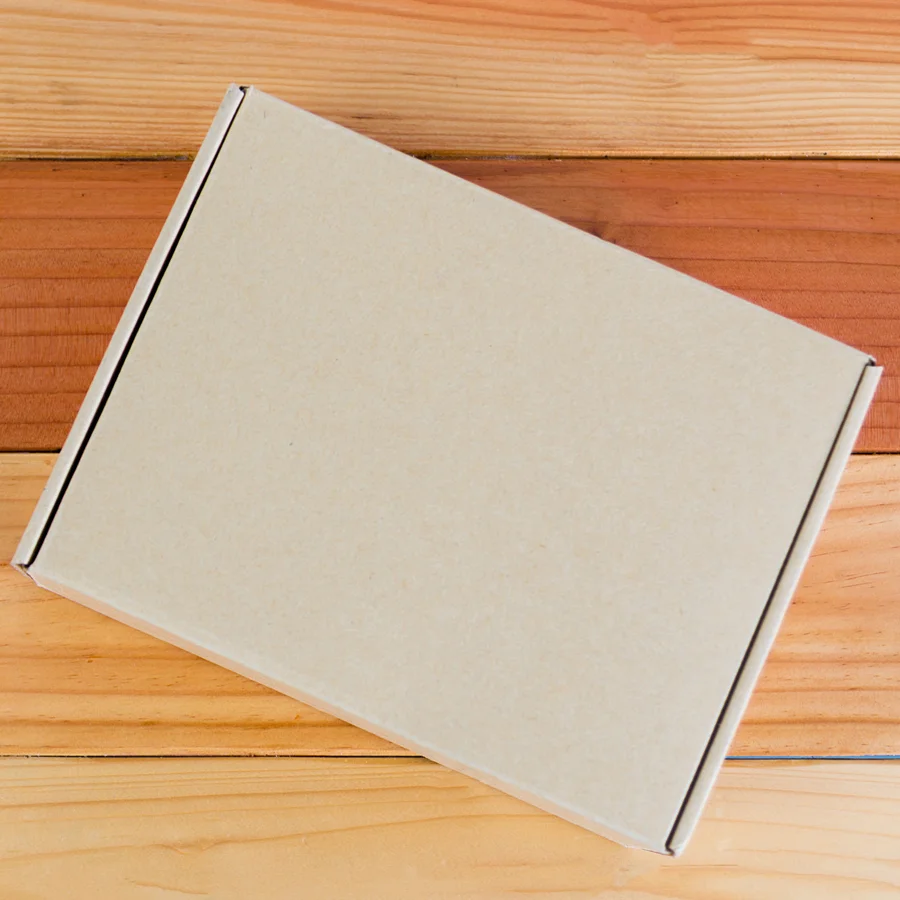
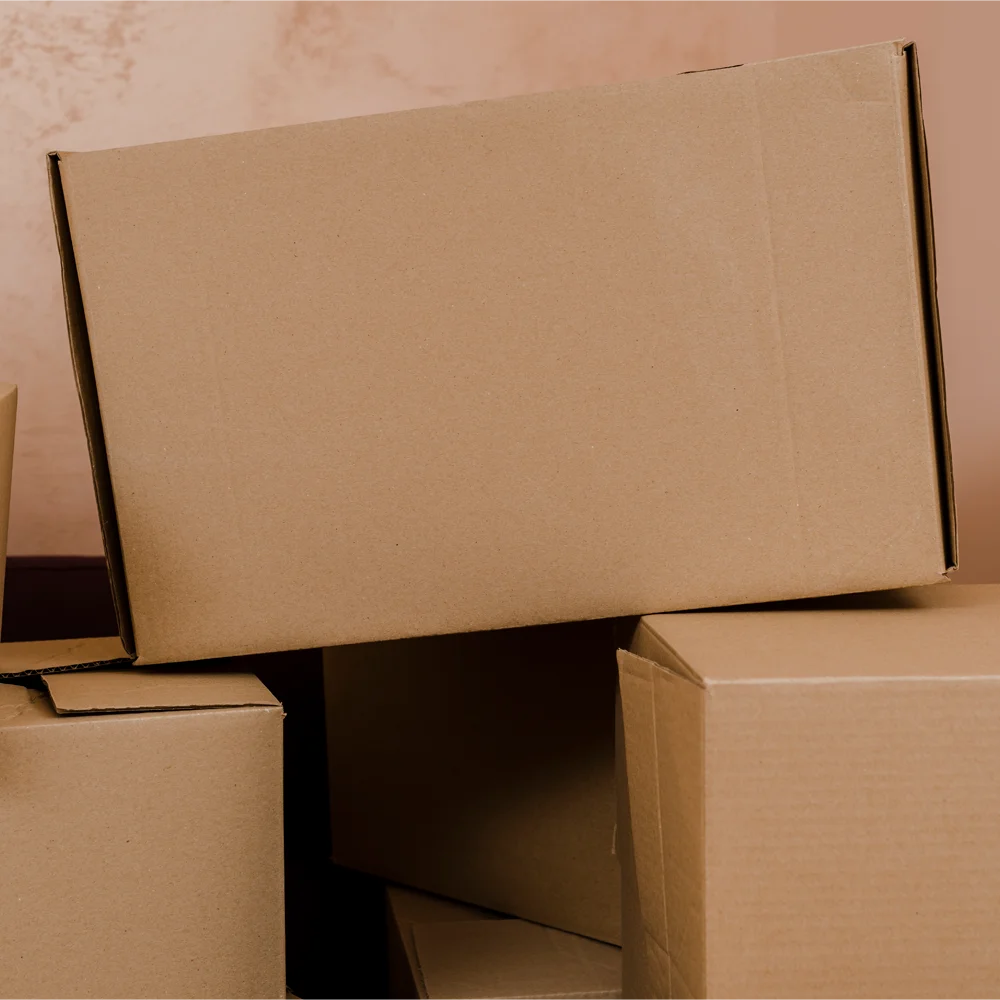
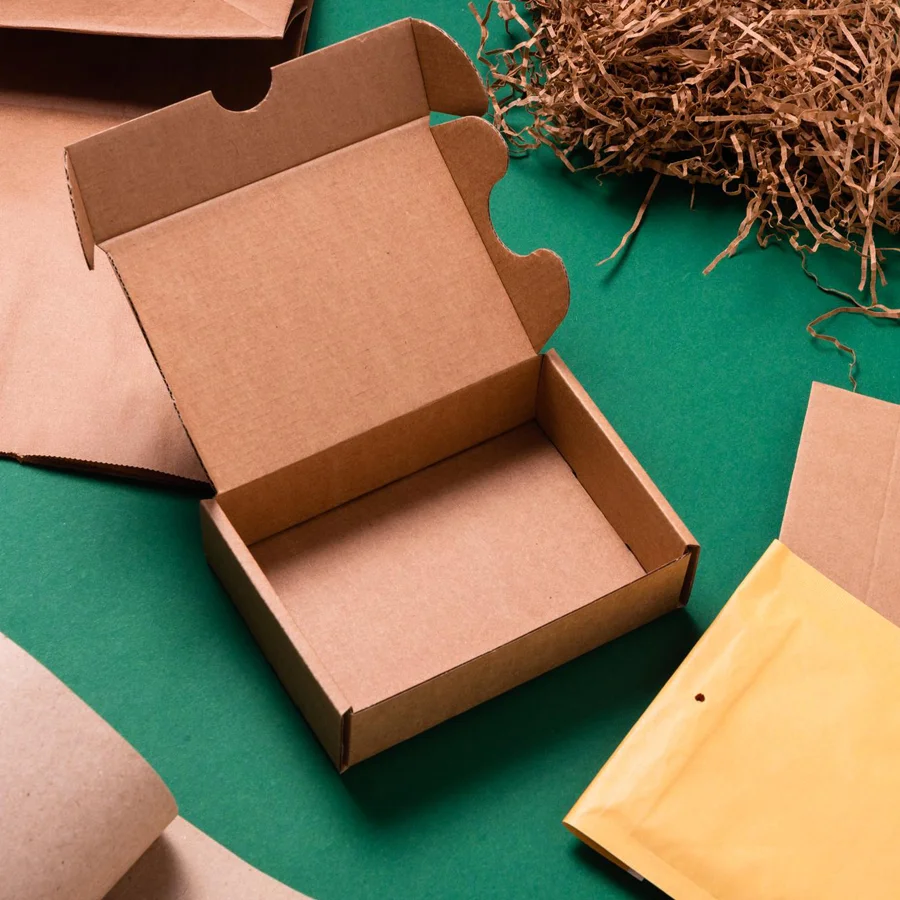

| Box Style | Self-Locking Mailer Box (Roll End Tuck Front - RETF) |
|---|---|
| Material Options | Kraft Corrugated, White Corrugated, E-Flute, B-Flute, Rigid Stock (Premium) |
| Flute Types | E-Flute (1.5mm), B-Flute (3mm), Custom Flute on Request |
| Stock Thickness | 16pt – 28pt (depending on material selection) |
| Printing Options | Offset Printing, Digital Printing, Flexographic Printing |
| Color Options | CMYK (4 Color Process), Pantone (PMS), Inside & Outside Printing Available |
| Finishing Options | Matte Lamination, Gloss Lamination, Soft-Touch Lamination, AQ Coating |
| Add-Ons | Spot UV, Foil Stamping (Gold/Silver), Embossing, Debossing, Custom Inserts |
| Sizes | Custom Sizes Available (Length × Width × Depth) |
| Minimum Order Quantity | Low MOQ Available |
| Turnaround Time | 8–12 Business Days (Rush Available) |
| Shipping | Flat Packed, Free Shipping Available |
| Eco-Friendly | Recyclable & Biodegradable Options Available |
Walk through a craft store. Look at the boxes. That stiff, dense, grayish material? That's chipboard.
Different from corrugated. Different from paperboard. Chipboard is its own thing.
It's made from recycled paper stock. Compressed into thick, rigid sheets. No flutes. No air layers. Just solid, dense fiber.
Feels substantial in your hand. Doesn't flex. Doesn't bend. Just... holds.
Let's settle this.
Corrugated. Has flutes. Wavy layer between two flat layers. Strong for shipping. Lightweight. Good for boxes going through mail streams.
Chipboard. Solid all the way through. Dense. Heavy. Rigid. No flutes. No give.
Which is better? Depends.
If you're shipping across the country, corrugated usually wins. Lightweight saves postage. Flutes absorb shocks.
If you're selling in stores, or shipping carefully, or want premium feel, chipboard wins. That density communicates quality.
Chipboard's natural color is gray. Recycled paper pressed together. Sometimes speckled. Sometimes uniform.
That gray is part of its charm. Looks industrial. Looks recycled. Looks like it means business.
You can print on it. Cover it. Wrap it. Or leave it bare. Gray chipboard has fans.
Printing on gray. Darker than white. Colors show differently. Test first.
Wrapping chipboard. Cover with printed paper. Get the density with any color.
Leaving natural. Gray box, white label. Simple, honest, industrial.
Retail packaging. Boxes on shelves. Customers pick them up. Feel the weight.
Gift boxes. That density says "this cost money" before they see price.
Rigid setups. Magnetic closures. Two-piece lids. Chipboard holds magnets best.
Book-style boxes. Hinged lids. Chipboard keeps shape.
Drawer boxes. Slides smoothly. Dense enough to hold form.
Keepsake packaging. Boxes meant to be kept. Chipboard lasts.
Chipboard is heavy. That's the point and the drawback.
Heavy feels premium. Feels substantial. Feels like you got something.
But heavy costs more to ship. Dimensional weight charges add up. International shipping gets expensive fast.
Balance matters. Use chipboard when feel matters most. Use corrugated when shipping distance matters most.
Chipboard comes in thicknesses. Measured in points.
20pt. Thin. Flexible. Almost like cardstock.
30pt. Medium. Some flex. Good for small boxes.
40pt. Thick. Rigid. Standard for rigid boxes.
60pt. Very thick. Almost like wood. Heavy duty.
80pt+. Extreme. Specialty applications.
We'll recommend based on your box size and product weight.
Direct printing. Ink goes on gray. Colors show muted. White ink helps.
Litho lamination. Print on white paper first. Laminate to chipboard. Best of both - rigid core, bright surface.
Foil stamping. Foil on gray? Modern industrial look.
Embossing. Press into chipboard. Holds detail well.
Labels. Sometimes simplest. Print labels, stick on gray boxes.
Stationery brands. Notebooks, cards, journals. Chipboard boxes match the paper vibe.
Photo companies. Print boxes. Keepsake boxes. Chipboard protects photos.
Luxury goods. Rigid chipboard is the standard for luxury. Almost all high-end boxes use it.
Craft brands. Chipboard feels handmade. Artisanal.
Gift sets. Multiple items bundled. Chipboard holds weight.
Subscription boxes. Premium tiers. The higher price point justifies chipboard.
Small batch makers. Limited runs. Chipboard feels special.
Chipboard is almost always recycled. High percentage post-consumer waste.
Recyclable again at end of life. Toss in paper recycling.
Biodegradable. If it escapes recycling, it breaks down.
Good story to tell customers who care.
Sourcing. Chipboard widely available. Standard material.
Cost. More than corrugated. Less than some specialty boards.
Minimums. Lower than you'd think. Small runs possible.
Lead times. Standard. No special ordering usually.
Storage. Heavy. Stack carefully. Don't overload shelves.